How Many Portable Toilets Does a Farm Need?
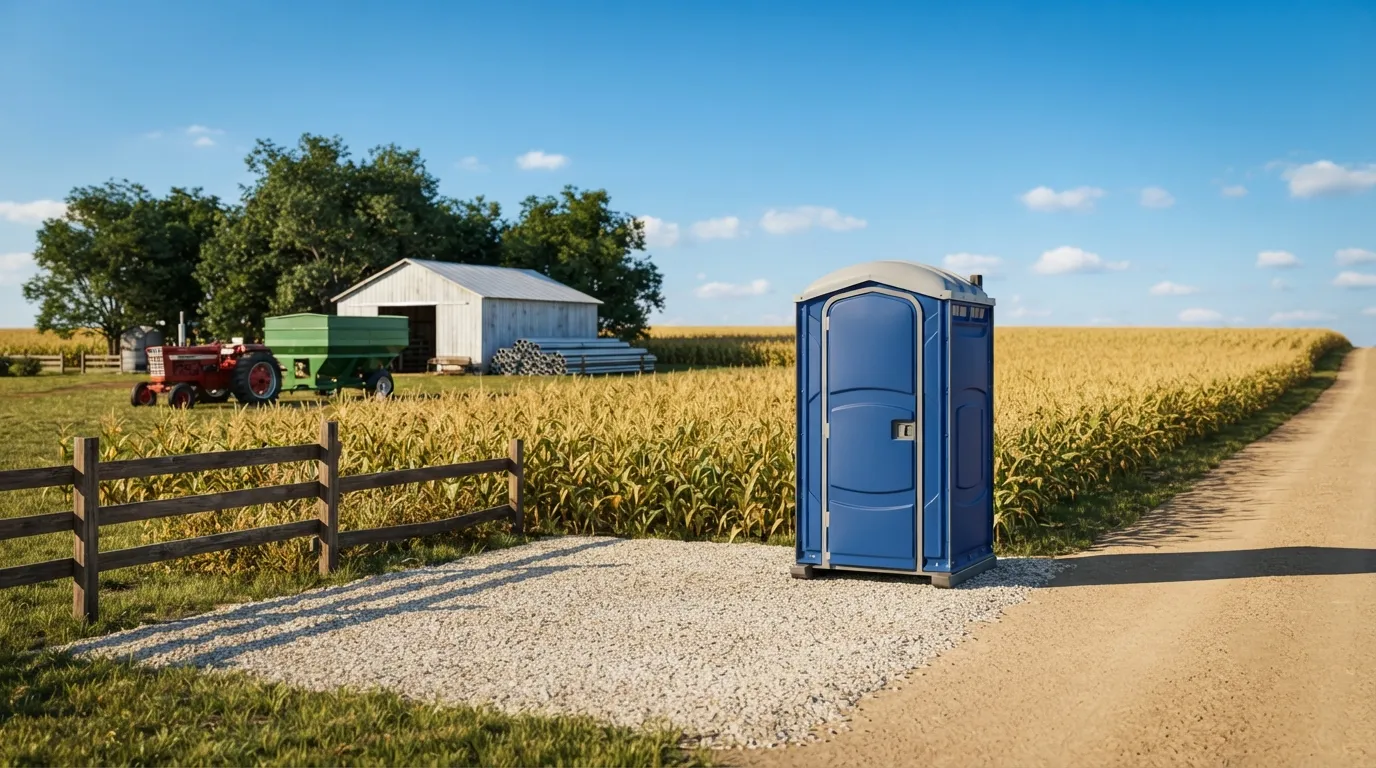
Start with the crew count, not the acreage. OSHA 1928.110 sets field sanitation at one facility per 20 hand-labor employees, and that unit has to sit within a quarter mile walk of wherever people are actually working, not parked by the barn because it is convenient. On a spread-out property that can mean two or three standard porta potty rental units staged at different fields rather than one unit at the entrance. Clinton Township Porta Pros moves units as harvest crews shift blocks, which is common during pick season. Potable water matters here too: OSHA 1926.51(a)(1) requires an adequate supply wherever people are working, so a lot of farm customers pair toilets with a handwashing station rental or a portable sink rental at the same stop. If you are unsure how many units your crew size actually needs, the how many porta potties do I need guide walks through the math, and the OSHA portable toilet requirements page covers the field sanitation rule in more depth. For seasonal labor camps or larger operations near Clinton Township, we also quote through construction site services pricing tiers since the delivery logistics overlap.
What Does a Farm Restroom Rental Cost in Clinton Township?
A standard unit runs in the range below, and most farm accounts book by the week or month since crews are on site for a full season, not a weekend.
| unit | day | week | month |
|---|---|---|---|
| standard | $100-$350 | $130-$500 | $125-$325 |
| ada | $200-$400 | $240-$400 | -- |
| deluxe | $85-$1,200 | $150-$290 | -- |
Delivery adds a separate fee, typically $50-$150 for a weekly stop and $120-$420 if you are keeping units out for the month. Fields off paved roads sometimes need extra routing time, so tell us about gate access and mud conditions when you call. Full breakdowns live on the porta potty rental cost and monthly porta potty rental pages, and if you just need a day rate for a one-time job like a hay ride or pumpkin patch weekend, check porta potty rental per day. Farms running an ADA-accessible unit alongside standard units should also see ADA accessible porta potty for placement specs.
Where Should Units Sit on a Working Farm?
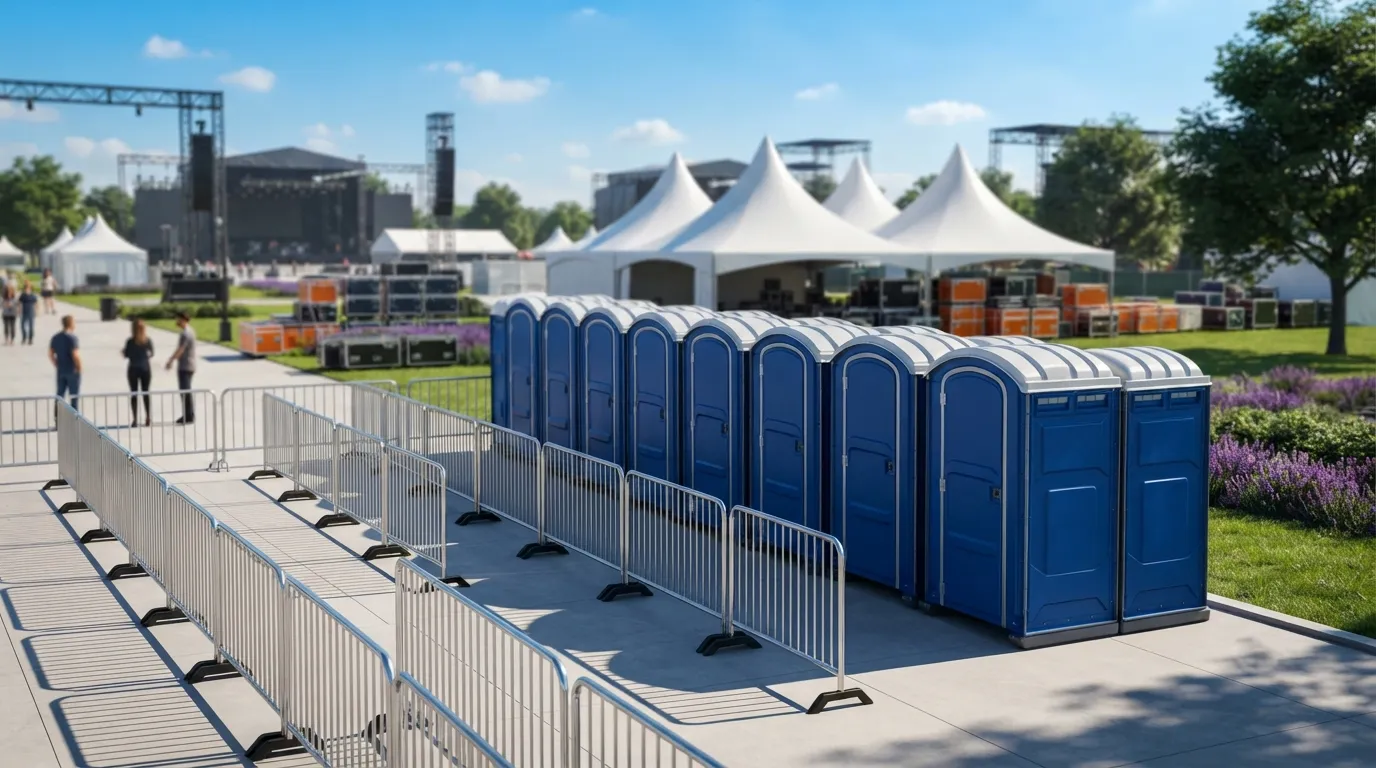
Placement is the part people get wrong. A unit needs stable, firm, slip-resistant ground under ADA Standards 302.1, which rules out soft field edges after rain. If you are running an accessible unit for farm labor or agritourism visitors, ADA Standards 213.2 requires that at least 5 percent of clustered single-user units be accessible, with a minimum of one, and ADA Standards 308.2.1 caps the forward reach for controls at 48 inches. A standard unit measures about 44 by 48 inches on the ground and stands roughly 92 inches tall, so gate clearance and low barn doorways matter more than most customers expect. For agritourism operations near Clinton Township running corn mazes, cider mills or U-pick events, we treat placement the same way we would for a festival restroom rental or county fair restrooms job: high-traffic paths get the units, not the far corner of the lot. Full siting rules are on the porta potty placement guide. Servicing follows ANSI/PSAI Z4.3, which sets one visit per week as the baseline for up to 10 users over a 40 hour week, though high-traffic harvest crews often need two visits. Winter operations should also read porta potty in winter before locking in a season-long rental, since tank freezing changes the service math.
Grease traps and wash-down water from processing sheds fall under different rules than field toilets. If your operation runs a commercial kitchen or dairy wash station, a grease trap pumping schedule is triggered once fats, oils, grease and solids hit 25 percent of the liquid depth. Septic tanks serving farmhouse or bunkhouse plumbing typically need pumping every 3 to 5 years depending on tank size and household count; see how often to pump a septic tank for the specifics. Clinton Township properties running both field crews and a farmhouse often bundle a septic pumping service visit with the seasonal toilet delivery to save a trip.
How far will Clinton Township Porta Pros travel for a rural property?
We service farms throughout Clinton Township and the nearby towns we already run routes through, including Tecumseh, 4.8 miles south, and Raisin, 9.0 miles south. Longer routes to Adrian, 15.7 miles south, are quoted case by case. Call ahead if your gate access is unusual.
Do I need a permit for a farm porta potty in Clinton Township?
Placement rules for the right of way or shared roads need confirming with the city; we have not verified a specific ordinance for agricultural placement. Most farm units sit on private land and avoid that question entirely, but check the porta potty permit requirements page before delivery day.
Can I rent just one unit for a small hobby farm?
Yes. A single standard unit works fine for a small operation, and weekly service under ANSI/PSAI Z4.3 covers up to 10 users on a normal work week. See portable toilet rental for base unit options.
What happens if a unit needs service outside the schedule?
Call us and we will route a truck. Harvest weeks and heavy-visitor agritourism weekends often need an extra stop beyond the standard weekly visit, and we plan for that during pick season.
Do farm restrooms need handwashing stations too?
If workers are applying pesticides or herbicides, OSHA 1926.51(f)(1) requires washing facilities for that specific exposure. Pair a toilet with a hand sanitizer station rental or full sink unit for spray crews.
Next step
Get a delivery date
Tell us the address, the dates and the headcount. We size the order and confirm the route.