
How many units do you need?
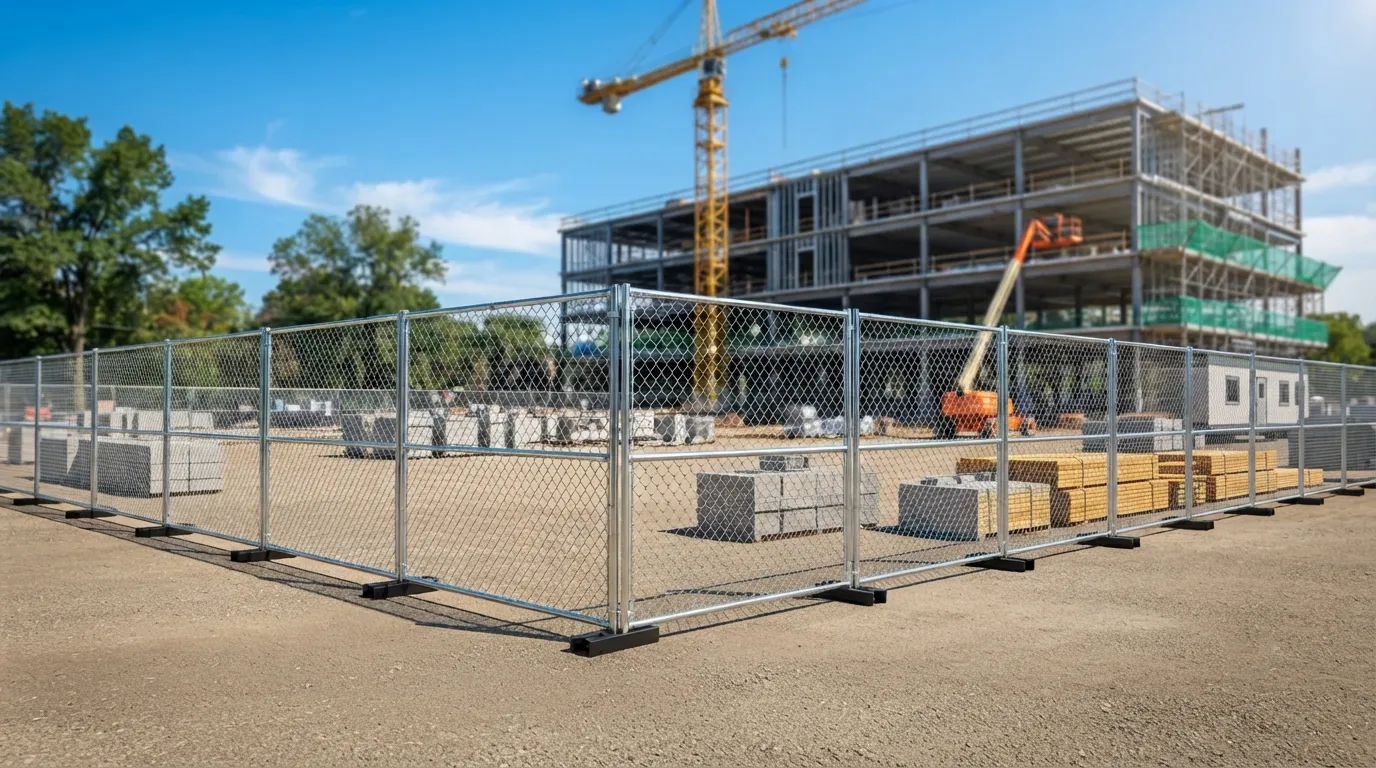
Start with worker or guest count, then apply the ratio. OSHA 1926.51(c) sets construction sites at 1 toilet for 20 workers or fewer, then 1 toilet seat plus 1 urinal per 40 workers once you pass 20, and per 50 workers at 200 or more. That table is the backbone of any construction site services plan in Clinton Township. Events run differently since ANSI/PSAI Z4.3 sets the baseline service interval at once a week for up to 10 users across a 40 hour week, which matters less for a one-day festival and more for a month-long build. If you are staffing a wedding or a fair, check how many porta potties do i need before you call anyone. Agricultural crews fall under a separate rule: OSHA 1928.110 requires field sanitation at one facility per 20 hand-labor employees, reachable within a quarter mile walk, which is worth flagging if your site sits near farmland outside Clinton Township proper. For general industry sites that are not construction, 1910.141(c)(1)(i) sets its own toilet ratio by employee count. Undercounting is the single most common reason a rental gets a frantic add-on call three days in.
What type of unit fits the job?
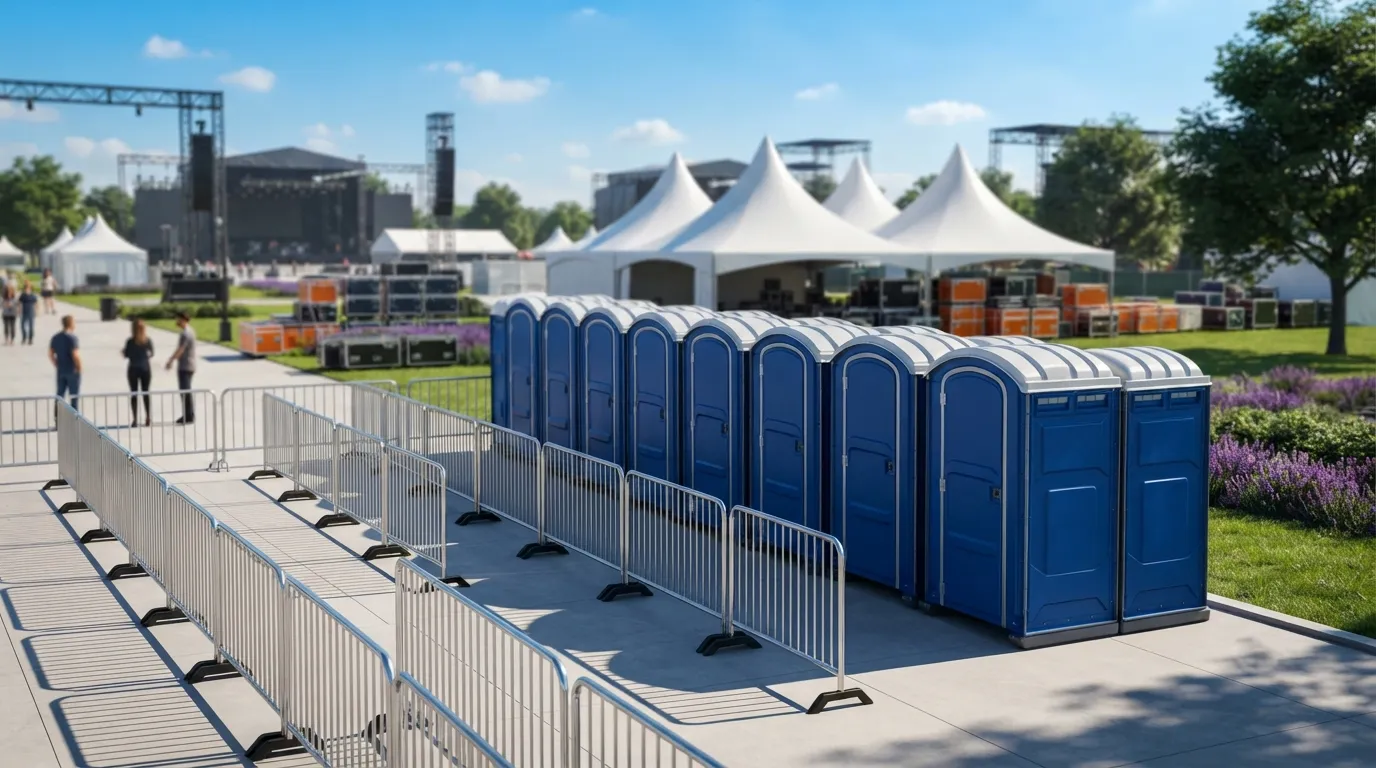
A standard porta potty rental covers most job sites and casual events, running roughly 44 by 48 inches on the ground and about 92 inches tall, with a 60 to 70 gallon holding tank. If the crew or guest list wants something nicer, a deluxe flushable porta potty adds a flush mechanism and a sink. Every cluster of units also needs accessibility built in: ADA Standards 213.2 requires that at least 5 percent of clustered single-user units be accessible, never fewer than one, and an ada accessible porta potty has to meet a 60 inch turning circle under 304.3.1 and a 32 inch clear door opening under 404.2.3. For larger weddings or corporate events, a restroom trailer rental in either a 2 stall or 4 stall layout keeps lines short without rows of standalone units. Crews doing painting, coatings, or pesticide work need washing facilities under OSHA 1926.51(f)(1), which is a narrower rule than general handwashing and only applies to those specific contaminant tasks.
Where should units go on site?
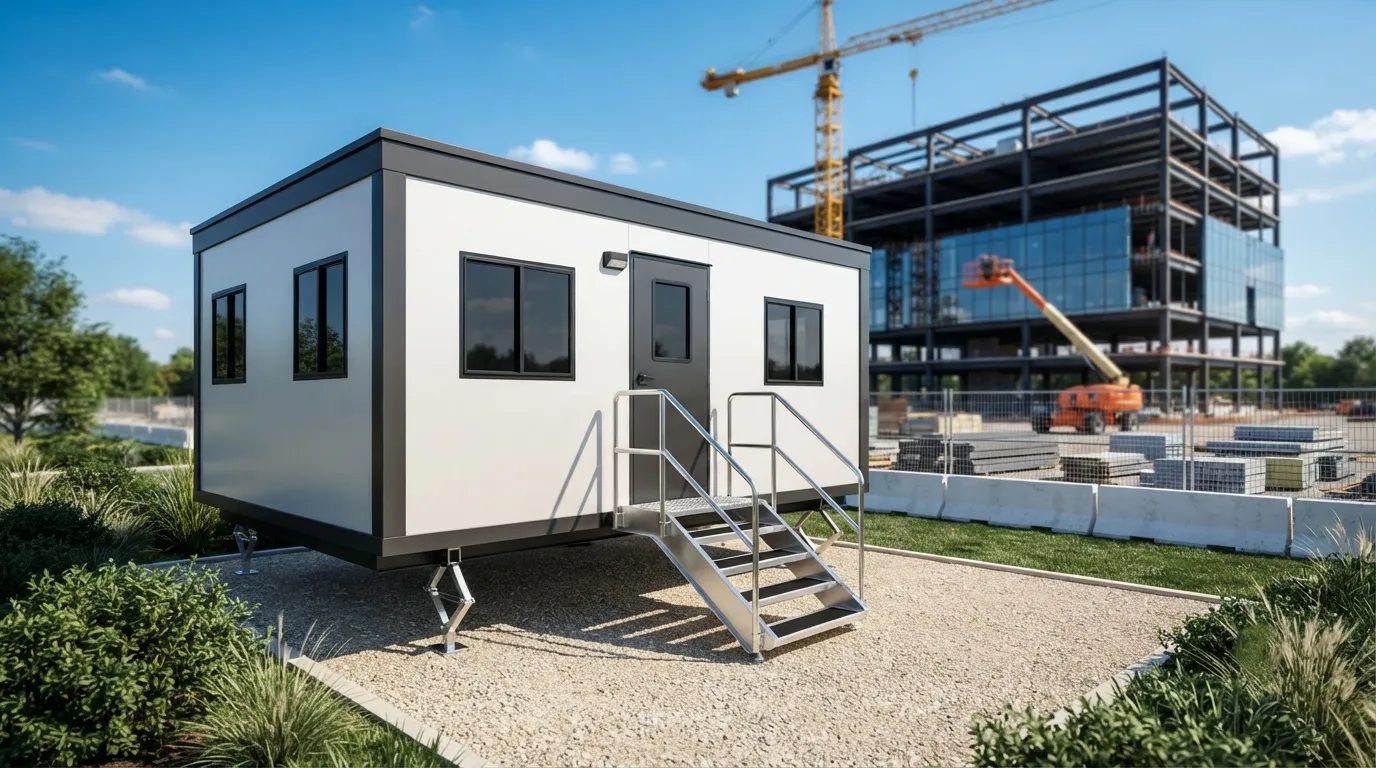
Placement decides how much you use the units and how much you fight with them. Ground has to be stable, firm, and slip resistant per ADA Standards 302.1, and the accessible route to any ADA unit needs a 36 inch clear width under 403.5.1. Leave room for the truck: a roll-off or portable restroom delivery generally needs about 60 feet of straight clearance behind the vehicle, so a tight alley or a packed lot in downtown Clinton Township needs a walk-through before delivery day, not after the truck shows up. Full guidance lives on the porta potty placement guide, and if you are unsure whether the unit sits inside the public right of way, that placement needs confirming with the city directly since permit rules vary by parcel. If your event runs into winter months, read porta potty in winter before you finalize a spot near a hydrant or a slope, since ramps built for ADA access cannot exceed a 1:12 running slope per 405.2.
How much does a rental cost?
Pricing depends on unit type, how long you need it, and whether it is a single weekend or a month-long job. Here is the range across the units most Clinton Township customers book:
| Unit | Day | Week | Month |
|---|---|---|---|
| Standard | $100 - $350 | $130 - $500 | $125 - $325 |
| ADA | $200 - $400 | $185 - $240 | -- |
| Deluxe | $85 - $1,200 | $150 - $290 | -- |
| Dumpster (roll-off) | $51 - $112 | $426 - $778 | $600 - $778 |
A weekend rental on a standard unit typically lands around $250, which works well for a Friday-through-Sunday event without committing to a full week. Delivery fees run separately and typically add $100 to $150 for a single day. For a deeper breakdown by billing period, see porta potty rental cost, porta potty rental per day, and monthly porta potty rental. If the job involves debris removal alongside sanitation, pair the order with a roll-off dumpster rental or check dumpster rental cost so both quotes land on your desk at once.
Beyond toilets, most job sites in Clinton Township also need a handwashing station rental or portable sink rental, since 29 CFR 1910.141(d)(2) requires soap and towels or a hand-drying device at washing stations, not hand sanitizer alone. Sites with septic systems on the property should also plan around septic pumping service, since a typical residential tank needs pumping every 3 to 5 years depending on tank size and household size. Nearby Tecumseh sits 4.8 miles south and Raisin about 9.0 miles south, both inside normal delivery range if your project straddles township lines.
What is the difference between a standard unit and a deluxe unit?
A standard unit is a basic single-stall toilet with a 60 to 70 gallon tank and no plumbing. A deluxe unit adds a flush mechanism, often a sink, and sometimes interior lighting, priced higher per day but closer to standard pricing on a weekly rental.
Do I need an ADA-accessible unit for my event?
If you are clustering multiple portable toilets, ADA Standards 213.2 requires at least one accessible unit, even in a cluster smaller than 20. Solo unit rentals for small private jobs do not trigger the same clustering requirement.
How far in advance should I book?
Standard units book fastest during peak construction and event season, so two to three weeks ahead gives the most flexibility on unit type and delivery window. Large trailer rentals for weddings or festivals often need four to six weeks.
Can I place a porta potty on a public street in Clinton Township?
That depends on the parcel and the right-of-way, and it is not something to guess on. Confirm placement directly with the city before delivery day, since permit rules are not standardized across every site.
What happens if I underestimate how many units I need?
Lines form fast, service intervals get thrown off, and add-on units cost more on short notice than units ordered up front. Use the OSHA 1926.51(c) ratio or the osha portable toilet requirements guide before you finalize a count, not after the crew arrives.
Next step
Get a delivery date
Tell us the address, the dates and the headcount. We size the order and confirm the route.