
Where should a porta potty go on a job site?
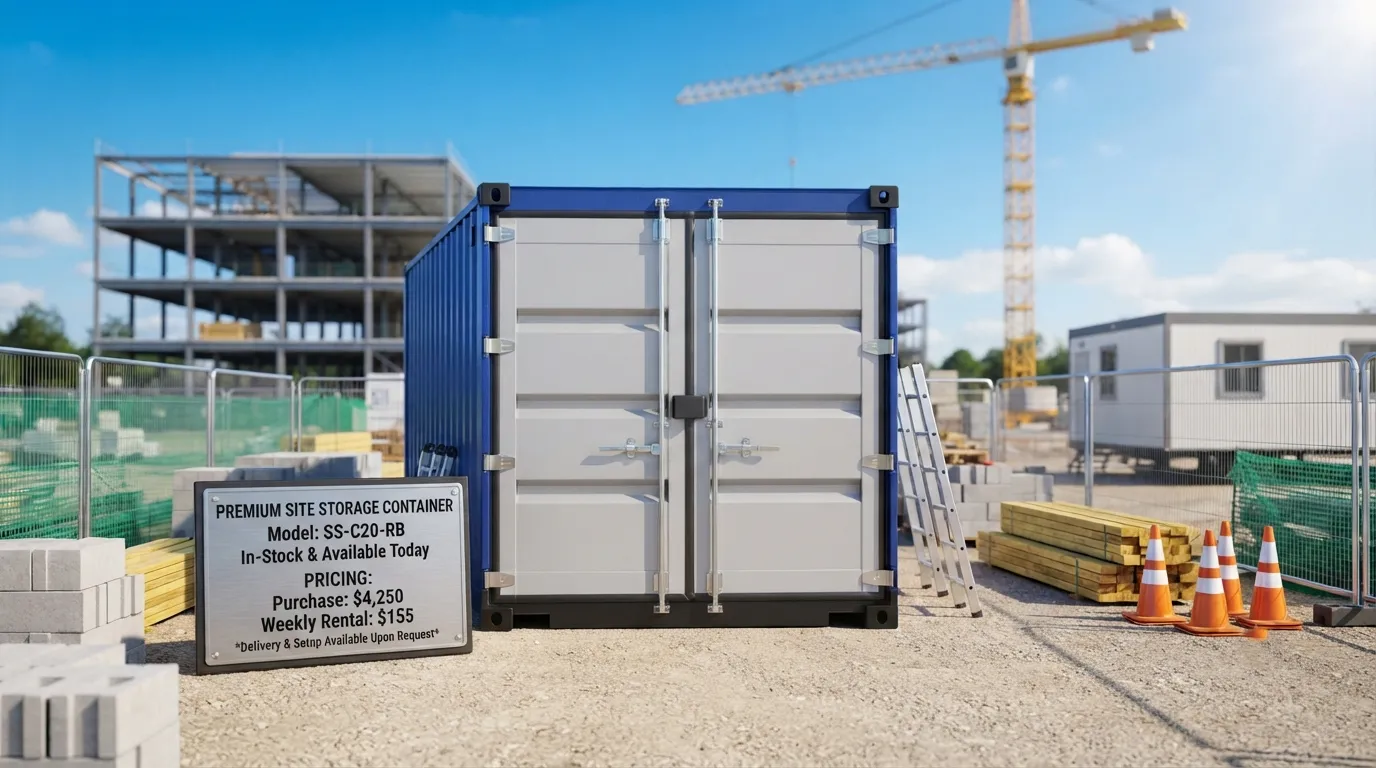
Set it on flat, firm ground, not gravel that shifts or turf that sinks under 92 inches of standing unit. ADA Standards section 302.1 calls for surfaces that are stable, firm and slip resistant, and that rule applies whether the site is a wedding tent in Clinton Township or a build lot off a county road. Keep the unit within reach of a pump truck; most service trucks want a straight approach, similar to the 60 feet of clearance a roll-off dumpster delivery needs behind it. Avoid slopes, soft mulch beds, and anywhere runoff pools after rain. For construction sites, OSHA 1926.51(c) sets the ratio, one toilet for 20 workers or fewer, so placement has to serve the crew without forcing a long walk. If you are staging multiple units for an event, see the porta potty rental checklist before your date locks in.
What are the porta potty placement rules near property lines and drains?
Clinton Township site plans generally want portable toilets kept off drainage paths and away from neighboring property lines, so nothing runs onto a lot you don't control. This overlaps with dumpster placement permit rules, since a dumpster placement permit and porta potty placement often get reviewed on the same site plan for larger builds. We are not able to confirm exact setback distances from public right-of-way here, and that needs checking directly with the city before you finalize a layout. A dumpster placement permit cost varies by parcel and job type, and the same holds for temporary sanitation, so budget for a call to the township before delivery day. For accessible units, ADA Standards section 213.2 requires that where single-user units are clustered, at least 5 percent, and never fewer than one, be an accessible model; see the ADA accessible porta potty page for specs. Pair placement with a temporary fence rental if the unit sits near a public walkway.
Do porta potties need clear access for service trucks?
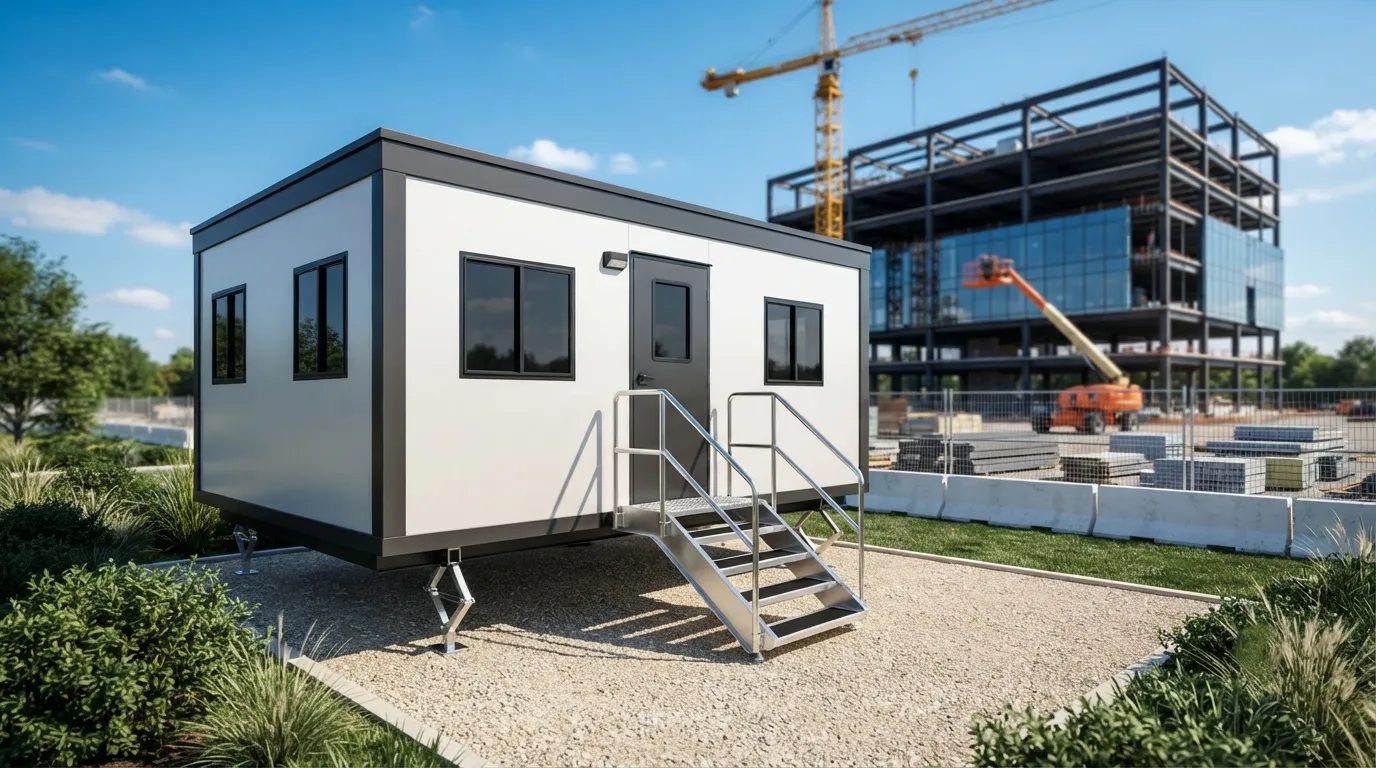
Yes. A pump truck needs a straight shot to the tank valve, without parked cars, low branches, or soft shoulders in the way. A standard unit holds 60 to 70 gallons and sits on a footprint about 44 by 48 inches, so the truck's hose has to reach that footprint without dragging across a driveway or garden bed. ANSI/PSAI Z4.3 sets a baseline service interval of once a week for up to 10 users over a 40 hour week, and access has to hold up for every one of those visits, not just the first. If you're running a restroom trailer rental instead, that unit needs its own leveled pad plus a way to hook up water and power, and a mobile office trailer replacement doors issue can crop up on older rental units if the site is rough on entry doors, so check hinges before delivery. Sites running an 8 stall restroom trailer or a 4 stall restroom trailer should plan the same truck lane for both delivery and every pump-out after.
Where should handwashing stations go relative to the toilets?
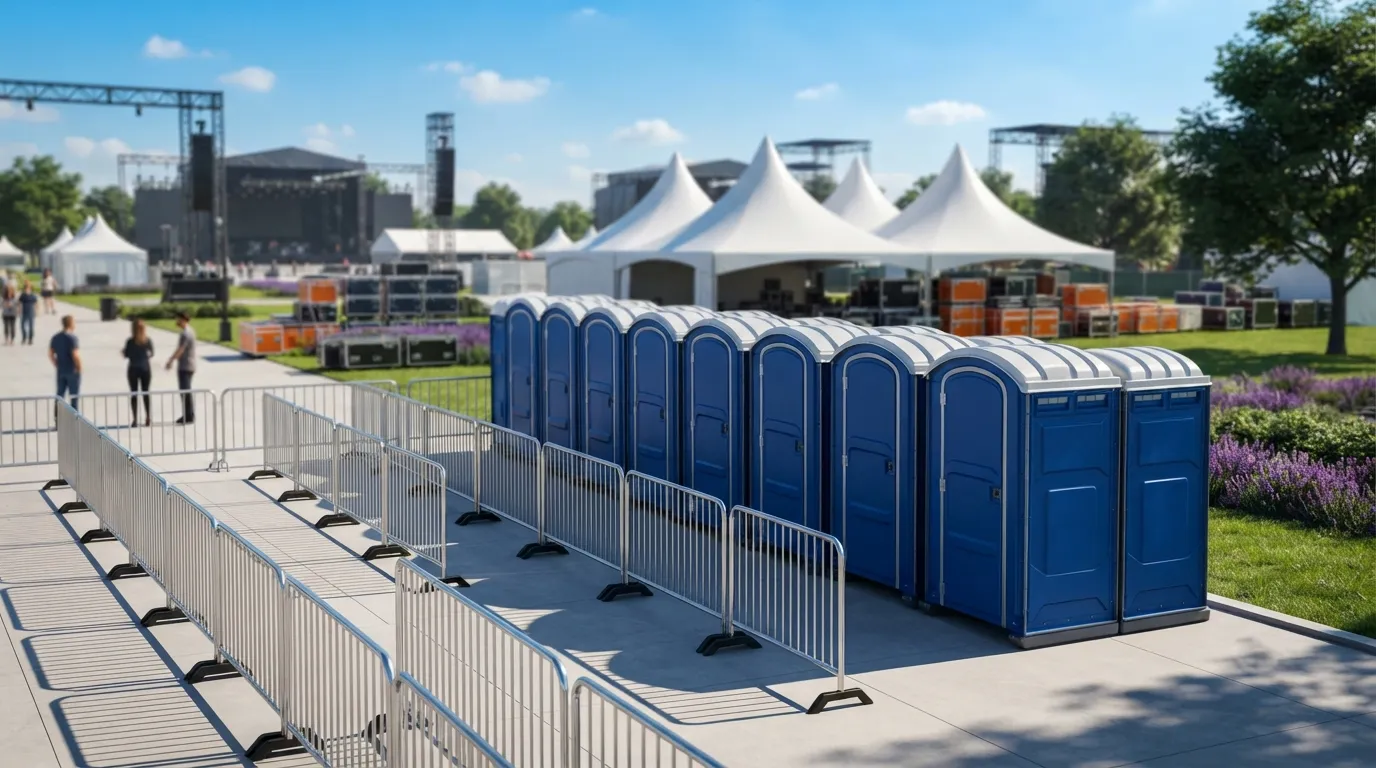
Right next to them, within a few steps, not across the lot. 29 CFR 1910.141(d)(2) requires washing facilities stocked with soap and towels or a hand-drying device, not sanitizer alone, and that rule follows the toilets wherever they're placed. If your crew is applying paint, coatings, herbicides or insecticides, OSHA 1926.51(f)(1) requires washing facilities for exactly that exposure, so put a station at the mixing area too, not just at the restroom cluster. An Ozark River portable sink replacement parts search usually means a worn pump or a cracked spigot on an older handwash unit; check the handwashing station rental page for current models before assuming a full unit swap is needed. Farms and agricultural operations fall under a different standard, OSHA 1928.110, which calls for one facility per 20 hand-labor employees within a quarter mile walk; see farm and agricultural restrooms for that setup. Septic-side jobs, including a placerville septic pumping service style visit for a holding tank, need the same truck access rules as a porta potty pump-out.
| unit | day | week | month |
|---|---|---|---|
| standard | $100-$350 | $130-$500 | $125-$325 |
| ada | $200-$400 | $240-$400 | n/a |
| deluxe | $85-$1200 | $150-$290 | n/a |
Crews near Tecumseh, 4.8 miles south of Clinton Township, and Raisin, 9.0 miles south, often run the same placement rules since site plan review tends to follow county road access more than city limits. For a full breakdown of pricing by duration, see porta potty rental cost or porta potty rental per day.
How far should a porta potty sit from a building entrance?
Close enough for quick access, far enough to keep odor and foot traffic away from the door, generally outside normal sightlines. Keep the accessible route clear per ADA Standards section 403.5.1, which sets a 36 inch minimum width, so nothing narrows the path to the unit.
Can a porta potty sit on a paved driveway?
Yes, if the surface is level and the truck can still reach the tank valve without crossing a curb. Paved ground actually beats turf for stability. Confirm with portable toilet rental specialists if the driveway slopes more than a few degrees.
What permits does porta potty placement need in Clinton Township?
We can't confirm exact permit rules from here; that needs a direct check with the township. Site plan review often groups portable sanitation with dumpster placement, so ask about both together. See porta potty permit requirements for what to ask.
How many porta potties does a job site need?
OSHA 1926.51(c) sets one toilet for 20 workers or fewer, scaling up from there. Crew size, shift length, and site layout all affect the count. Use the how many porta potties do I need guide to run the numbers for your crew.
Does winter change porta potty placement in Clinton Township?
Yes, ice and frozen ground change footing and truck access fast. Units need placement on cleared, salted ground so tanks don't freeze near the valve. See porta potty in winter for seasonal setup details.
Next step
Get a delivery date
Tell us the address, the dates and the headcount. We size the order and confirm the route.